
Why Fittings, Valves, and HVAC Component Quotes Keep Climbing
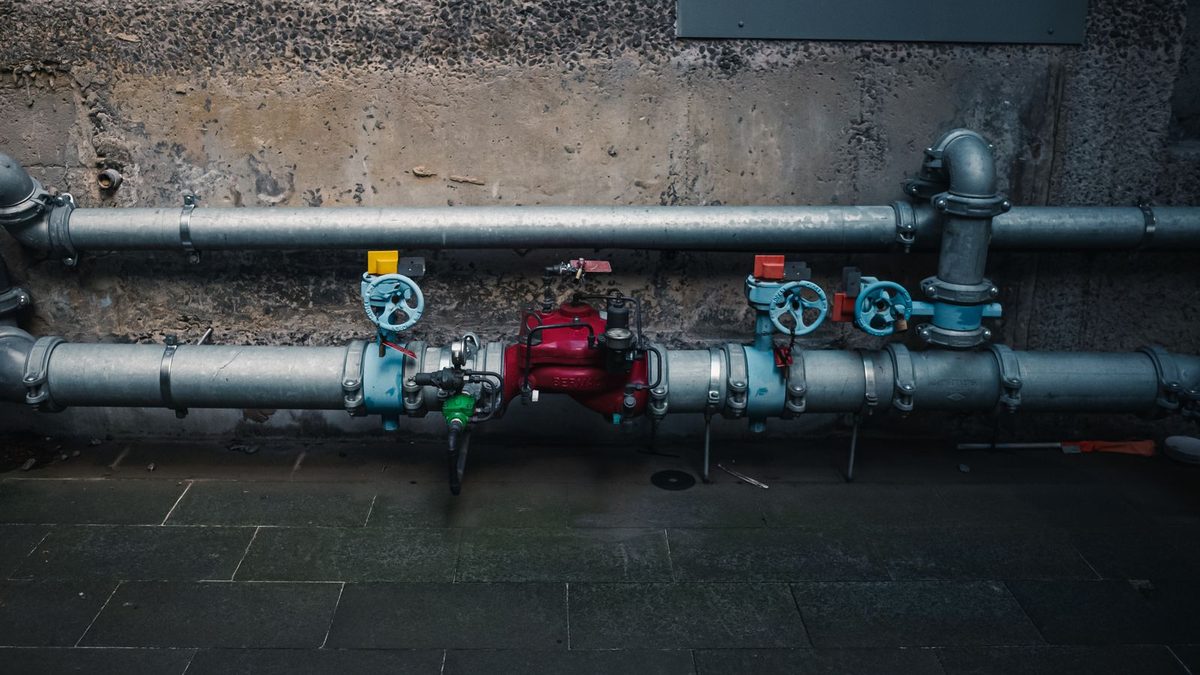
If a quote for fittings or HVAC hardware came back higher than expected this month, it's not just your project. July 2026 brought one of the broadest waves of price increases this industry has seen in a while, and it's worth understanding exactly what's driving it before assuming it's a one-off.
July 2026 announcements at a glance
JB Industries announced a 7.5% increase on brass access valves, capillary tubing, and fittings, plus a separate 10% increase on vacuum pump oil, both effective July 1, 2026. That was one entry in a much longer list — more than a dozen HVAC manufacturers raised prices in July across five separate effective dates, with increases ranging roughly 3% to 10%. Allstyle Coil Company moved 3.5% on July 1; Duravent Group raised its whole portfolio 7%; Advanced Distributor Products added up to 3% on copper air handlers and up to 5% on copper evaporator coils effective July 5; Aspen Manufacturing went 5–6% on July 6, the same day Nidec's US Motors line moved 3–6.5% and Modular Metal Fabricators added 8% across all flex duct. Centrotherm followed with 7% on July 12, Vybond with 6% across its HVACR line on July 13, and CertainTeed with 6% on July 20.
What's behind these increases
The scale and spread of this wave — more than a dozen manufacturers, multiple product categories, five different effective dates in one month — points to systemic cost pressure rather than a handful of brands making isolated pricing decisions. Continued cost pressure from metals, energy, and logistics is feeding directly into finished-product pricing, and several manufacturers have also cited labor and compliance costs as part of the adjustment.
Impact on fittings, valves, and related hardware
Fittings and valve products are often metal-intensive by nature, which makes them genuinely sensitive to the kind of input-cost spikes driving this wave. HVAC components like coils and motors share that same exposure, which means the increases aren't isolated to one product category — they touch system-level upgrade and maintenance budgets too. For buyers in both industrial and commercial markets, that shows up in project budgets and in ongoing MRO spend at the same time.
How buyers can respond
The practical move is planning ahead for budget increases through the second half of 2026, especially on projects heavy in fittings and HVAC hardware. It's also worth comparing brands and product families on cost stability and availability, not just the list price on today's quote — a supplier that's held pricing steadier through this cycle is worth knowing about before the next project, not after. For frequently used fittings and valves, a stocking strategy can also help hedge against the next round of announced increases rather than buying into each one as it lands.
How Stateside can help
We track where these increases are actually landing and can flag which product families are moving fastest, suggest alternative options when a specific item's price has moved sharply, and help plan a procurement schedule that smooths out the impact of announced increases instead of absorbing them all at once.
Sources
Budgeting a project around fittings or HVAC hardware?
Send us the part list — we'll help you plan around where pricing is moving and flag stable alternatives where it makes sense.
Talk to Our Team →