
Industry Insights
What's Moving On The Floor
Original weekly reporting on automation, supply chain, and the innovations shaping industrial manufacturing — written by the Stateside team, researched and cited, not aggregated from someone else's work.

Identifying a Timing Belt: Pitch, Profile, Width and the Ten-Tooth Measurement
How the part number reads at Gates, Optibelt, Continental and Bando, why trapezoidal, HTD and GT profiles do not interchange, the current ISO and ARPM standards, and the caliper-and-ruler method for a belt whose print is gone.

Estimating LTL Freight on Crated Equipment: Class, Density, Terms and Accessorials
NMFC class and the 13-tier density scale in force since July 2025, the measurement rules that bill the space, FOB terms and who files the claim, what each accessorial means, the Puerto Rico ocean leg, and why a quote per unit is not a quote per crate.

Thermal Mass Flowmeter for Gas: Why the Gas, Line Size, Flange and Insertion Length Change the Part Number
How a thermal meter measures, why the calibration is gas-specific, what insertion and inline versions each need, the ratings that follow the connection, and the information list that turns six configurator questions into minutes.
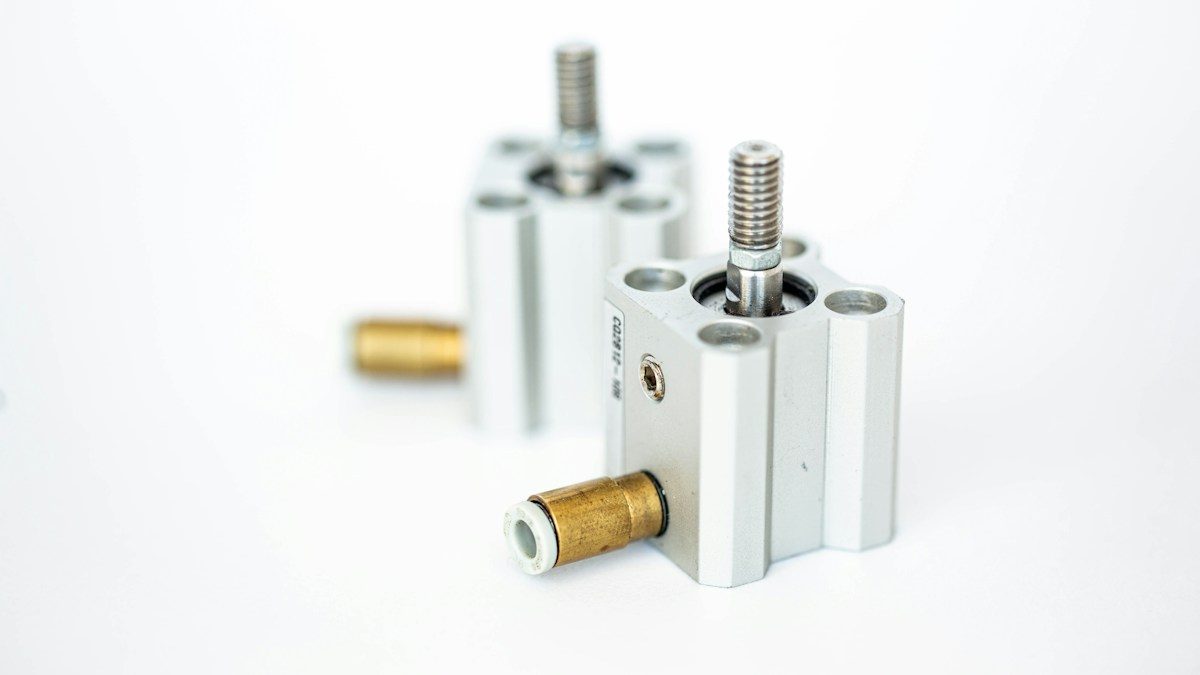
OEM Cylinder Part Numbers: Why They Will Not Quote and What to Send Instead
Why a nameplate number can be unorderable even when the base cylinder is stock: how SMC, Festo and AirTAC build a code, where the special suffix sits, the order-time magnet decision, and the eight items that get a compatible alternative quoted.

Specifying a Process Pressure Gauge: The Seven Specs and How to Cross Manufacturers
Dial and range, accuracy grade, case, wetted parts, fill, connection and seal: the seven specs that define a gauge, and a six-step method to confirm a compatible alternative from another maker.

EPDM, FKM, Silicone or PTFE for CIP and Chemical Service: Why "the Viton Version" Is Often the Wrong Fix
Standard FKM is one of the worst choices for hot caustic. What each elastomer family tolerates, why concentration and temperature decide, and how to tell chemical attack from a mechanical failure.

Laying Out a Multi-Conveyor System: Inclines, Reversing Runs, Accumulation, and the Controls Each Conveyor Needs
Six decisions that only exist when conveyors are chained: incline angles, reversing drives, where to buffer, the gap at every transfer, drive per conveyor or grouped, and which conveyors need a sensor.

Inductive Sensor Sensing Distance: Sn, Sr, Su, Sa and the 0.81 Rule
Only one of the four distances is printed on the box. The chain from nominal to assured, a 38 mm worked example, correction factors, drift and hysteresis, and when to step up a housing.

Aluminum Compressed Air Piping: When Replacing Black Iron Actually Pays for Itself
Three measurable problems justify the change, and four situations say keep the iron. Measure your own pressure profile and leak load first, with the CAGI sizing method you can run yourself.
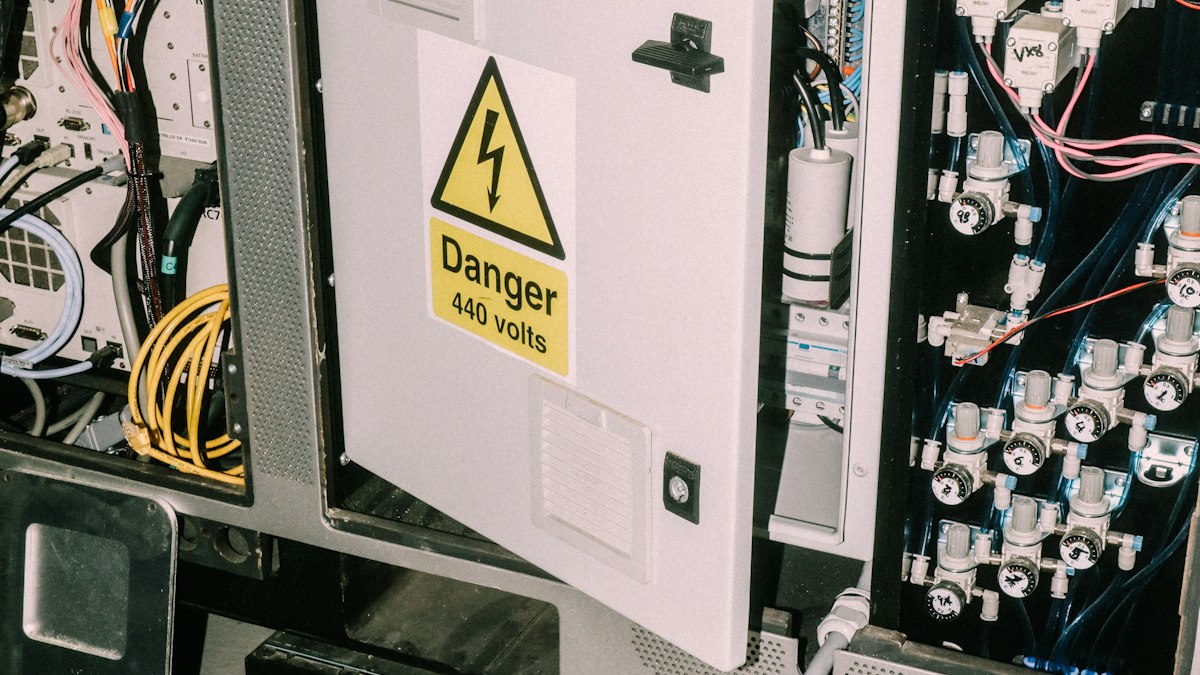
What IO-Link Actually Changes on a Machine, and What It Does Not
It changes the wire, the parameters and the data. It does not change the control loop, and it carries no safety function. Evaluate the cabinet, not the sensors.

Specifying a Conveyor for a Packaging or Assembly Line: The Decisions That Are Expensive to Change Later
Seven decisions lock in the layout, the sanitation regime and the maintenance burden. Worked from published Dorner series data, with the checklist to hand a vendor before anyone quotes.

How to Build the Internal Case for a Plant Equipment Purchase
Six pieces, vendor neutral: the problem and its cost, scope, installed cost, savings with the arithmetic shown, payback and NPV, and a schedule built backward from the shutdown.

Press Fittings for Compressed Air and Process Water: When Press Beats Sweat and Thread
What each manufacturer actually lists for air, water, glycol, and steam, why the seal element decides the media, and the tool-and-jaw rule people get wrong. Bonomi, Viega, Mueller, and NIBCO, from their own published charts.

Sizing a Motor Starter: Contactor, Overload, and the IEC vs. NEMA Question
Table amps for the wire, nameplate amps for the overload, AC-3 or AC-4 for the contactor, trip class for the start time, and the coordination table for the fuse. With the Sprecher + Schuh lineup mapped to each choice.

Inductive Proximity Sensor Selection: The Six Specs That Actually Matter
Design to the assured distance, not the catalog number. Correction factors from the exact datasheet, flush vs. non-flush, NPN vs. PNP, and when IP67 is not enough for washdown. Cited to Turck, Balluff, Rockwell, and Eaton data.

After the Storm: Restarting Compressed Air and Electrical Systems Safely
The morning-after order of operations for Florida and Puerto Rico plants: prove the power safe, replace what NEMA says to replace, test motors before trusting them, and start the air system slowly. From OSHA, NEMA, EASA, and Atlas Copco guidance.

Peak Season Is September 10: The Storm-Readiness and Post-Storm Restart Checklist for Florida and Puerto Rico Plants
A below-normal forecast is not your site's risk. The electrical-specific prep most plants skip, and the replace-versus-recondition call that governs every panel that took water — from NOAA, NFPA, NEMA, and OSHA guidance.
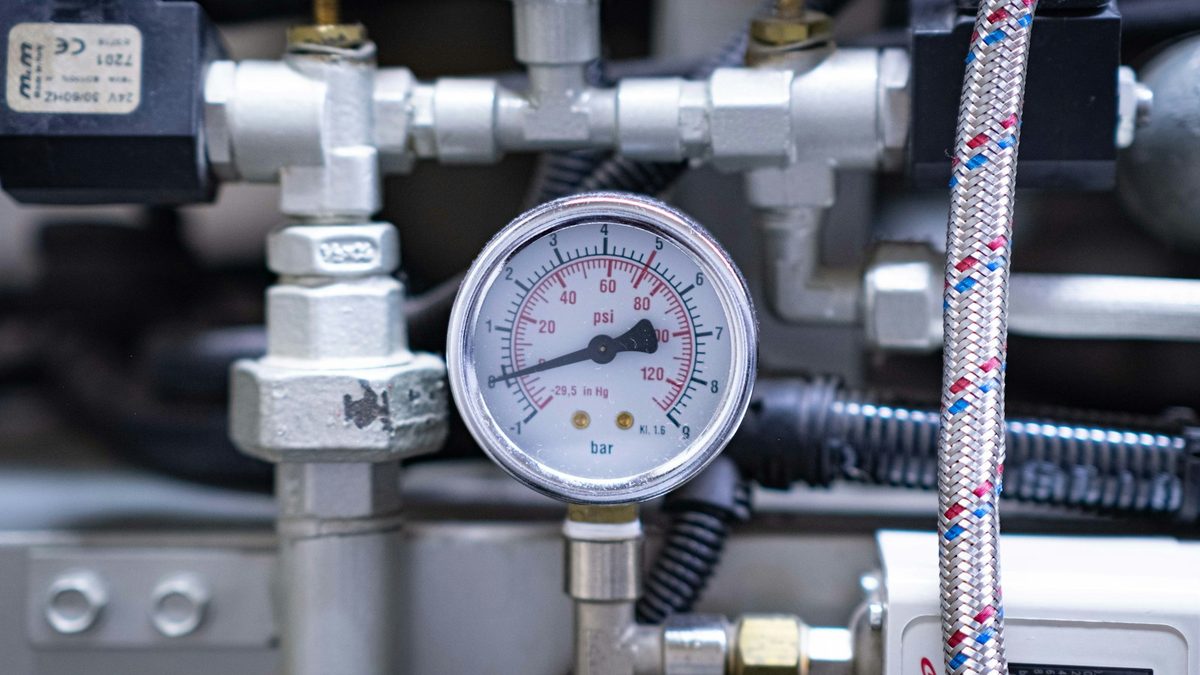
What Compressed Air Leaks Actually Cost: Do the Arithmetic With Your Own Power Bill
DOE publishes both a leakage table and a cost formula — so you can compute your plant's annual leak cost from your own rate and run hours in about ten minutes. No audit, no consultant, just arithmetic.

Aluminum vs. Black Iron vs. Copper for Compressed Air: The Method for Picking Pipe You Won't Regret in Year Seven
A compressed-air main is judged in year seven, not at commissioning. Six engineering criteria — scored from CAGI, DOE, and the manufacturers' own published documents — before anyone's quote gets opened.

When the Part Number Is Gone: A Specification Method for Cross-Referencing an Inductive Proximity Sensor
Eleven parameters, roughly half hard constraints — and the two people skip, mounting classification and target-material correction, sink the most substitutions. A method, not a lookup table.

OCR vs. OCV for Lot and Expiry Codes: The Part 11 Boundary Packaging Engineers Miss
When a camera checks a lot code on a regulated line, you may have just created a CGMP record. Where 21 CFR Part 11 actually starts — and what no vendor can certify for you.

PHARMA-CODE vs. EAN-13 vs. GS1 DataMatrix: Which Code Solves Which Packaging Problem?
One keeps the wrong leaflet out of the right carton, one rings up a product, one carries lot and serial through a supply chain. They are not interchangeable.

Vacuum Grippers for Food and Pharma Packaging: A Hygienic Selection Checklist Beyond "FDA-Compliant"
A material claim tells you what the cup is made of — not whether it can be cleaned, or whether your sanitizer eats it. Six checks past the datasheet's first line.

RFID for Regulated Traceability: Choosing LF, HF, or UHF Without Confusing the Tag With the Record
The tag is the cheapest, most replaceable part of a traceability system. Capture hardware, EPCIS event data, and the regulated record are three separate layers.

Four Weeks to IMTS 2026: Deadlines, Costs, and What's Worth Scouting
IMTS 2026 runs September 14–19 in Chicago. The registration deadlines that actually cost you money hit before the show opens.

Your 2027 Power Bill Is Already Forecast Higher — Start With Motors and Compressed Air
EIA's August 2026 forecast puts industrial electricity at 9.01¢/kWh in 2026 and 9.05¢ in 2027. Here's where the recoverable kilowatt-hours actually sit.

IP67 vs. IP69K vs. NEMA 4X: Reading Protection Ratings Before You Buy a Washdown Sensor
Mixing up these three ratings is one of the most common reasons a "sealed" device fails early. Here's how to read all three.

CE Marking Is About to Change: What the EU Machinery Regulation's 2027 Deadline Means
Regulation (EU) 2023/1230 applies January 20, 2027, replacing the Machinery Directive. What changes for U.S. machine builders shipping to the EU.
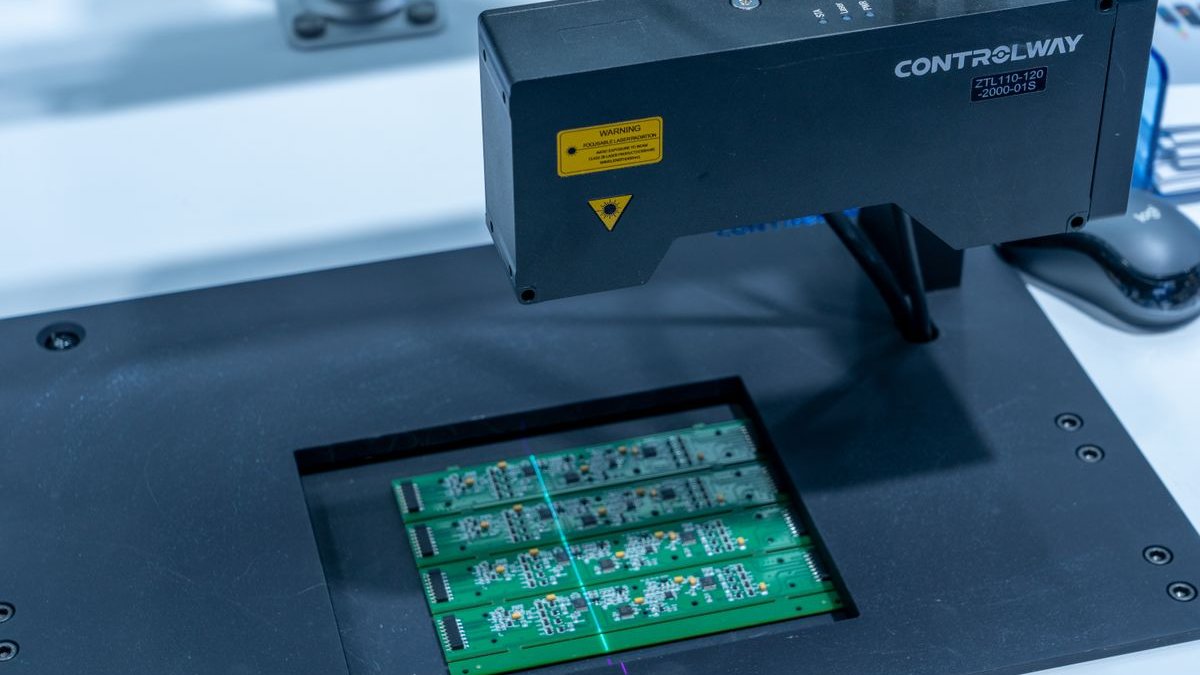
Why Vision Sensors Are Quietly Replacing Simple Photoeyes
The industrial machine vision market is forecast to hit $11B in 2026 and $21.5B by 2036. Here's what a vision sensor can do that a photoeye can't.

IO-Link Explained: The Protocol Outgrowing Most of Automation
Market estimates vary widely by source, but every major research firm agrees adoption is accelerating fast. Here's what the "USB for sensors" protocol does.

Predictive Maintenance Is Moving to Budget Line Item
Market-size estimates vary widely by source, but every forecast points the same direction. Here's what's driving the shift and where it starts.

What to Watch For at PACK EXPO International 2026
The show runs October 18–21 in Chicago with 48,000+ attendees expected. A preview of the packaging automation categories worth scouting.

Smart Panels Are Changing How Cabinet Wiring Actually Gets Done
Growing device counts, tighter NEC 2026 rules, and tool-less terminations are pushing control cabinets toward standardized, faster builds.
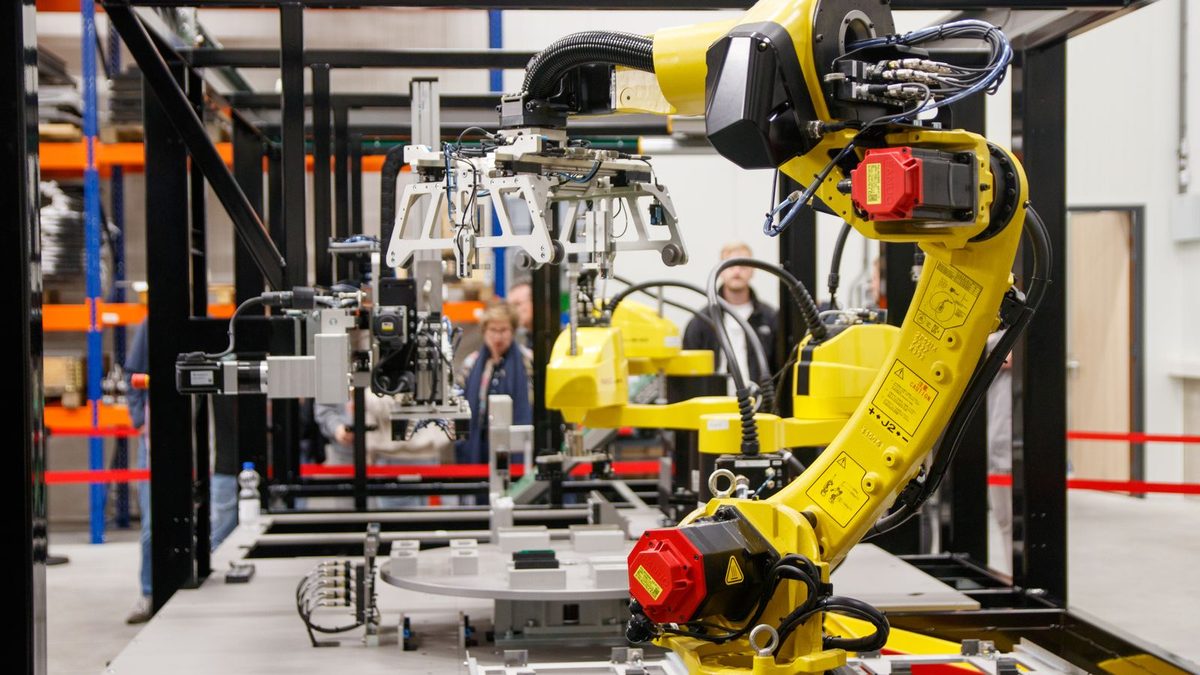
The New Machinery Tariffs Are Changing Automation ROI Math
June 2026 Section 232 changes extend duties to machinery built with covered steel and aluminum content — here's what that means for payback.

Designing Stack Lights and Alarms for a Louder Plant Floor
Plants are noisier and more complex than ever — here's how modern visual and audible signaling design actually reduces downtime.

Why Fittings, Valves, and HVAC Component Quotes Keep Climbing
JB Industries and more than a dozen other manufacturers announced July 2026 price increases. Here's what's driving it and how to plan around it.
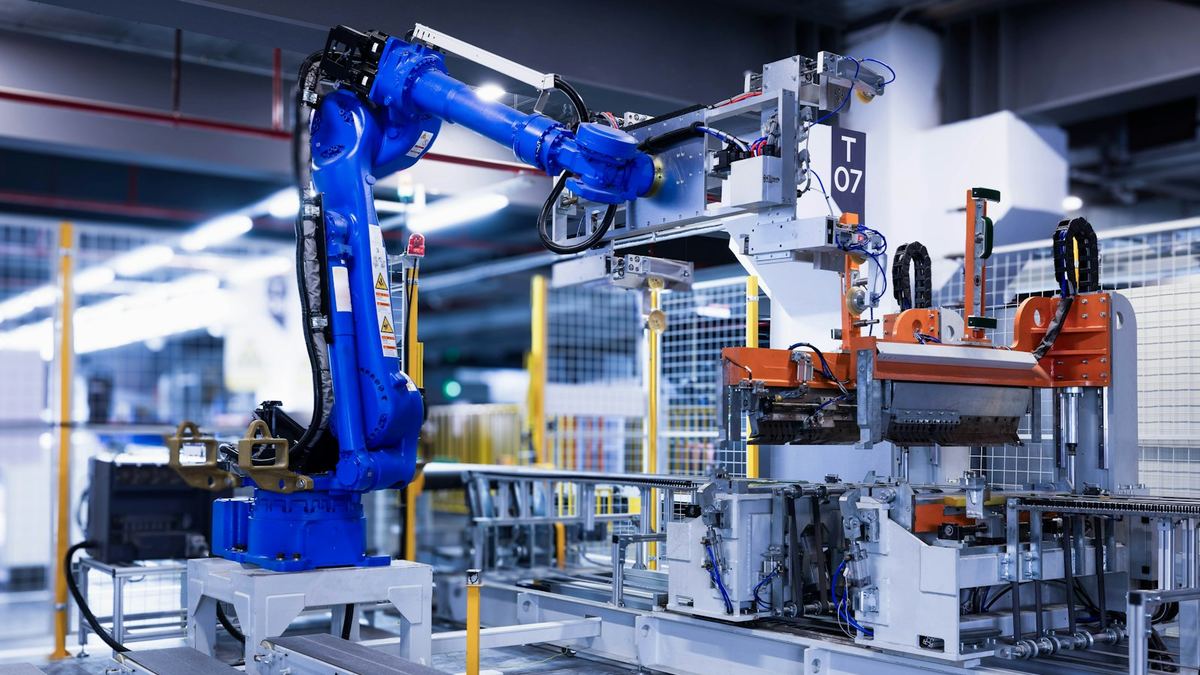
Physical AI Is Making Industrial Robots Easier to Deploy
Robots that read the scene in front of them instead of following a pre-taught path — why that's a bigger deal for deployment speed than it sounds.

The 3.8 Million Worker Gap Reshaping How Manufacturers Automate
U.S. manufacturing may need up to 3.8 million new workers by 2033. Here's why that's changing automation from a cost play into a staffing strategy.
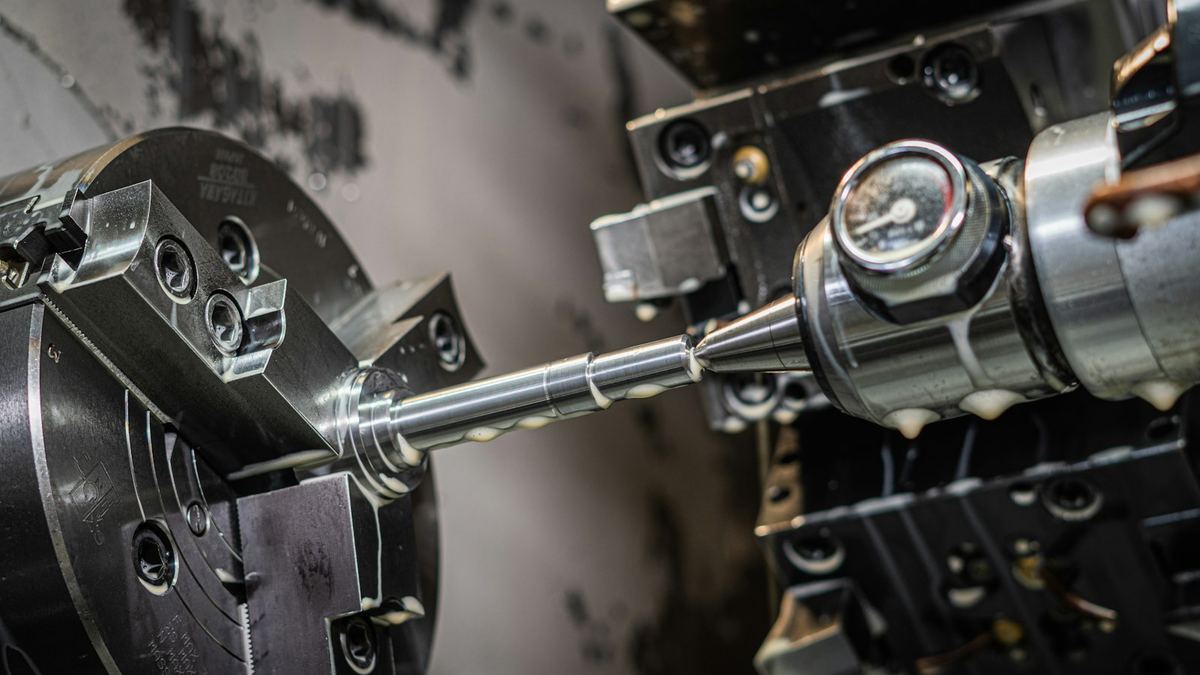
Motion Control in 2026: Built to Be Simpler to Spec and Cheaper to Own
A new single-supplier controller and drive launch shows where motion control is heading — simpler specs, lower total cost of ownership.

The New Skills Map for Physical AI in Manufacturing
A national robotics career platform just defined exactly which skills manufacturers will need to hire and train for next.