
The New Skills Map for Physical AI in Manufacturing
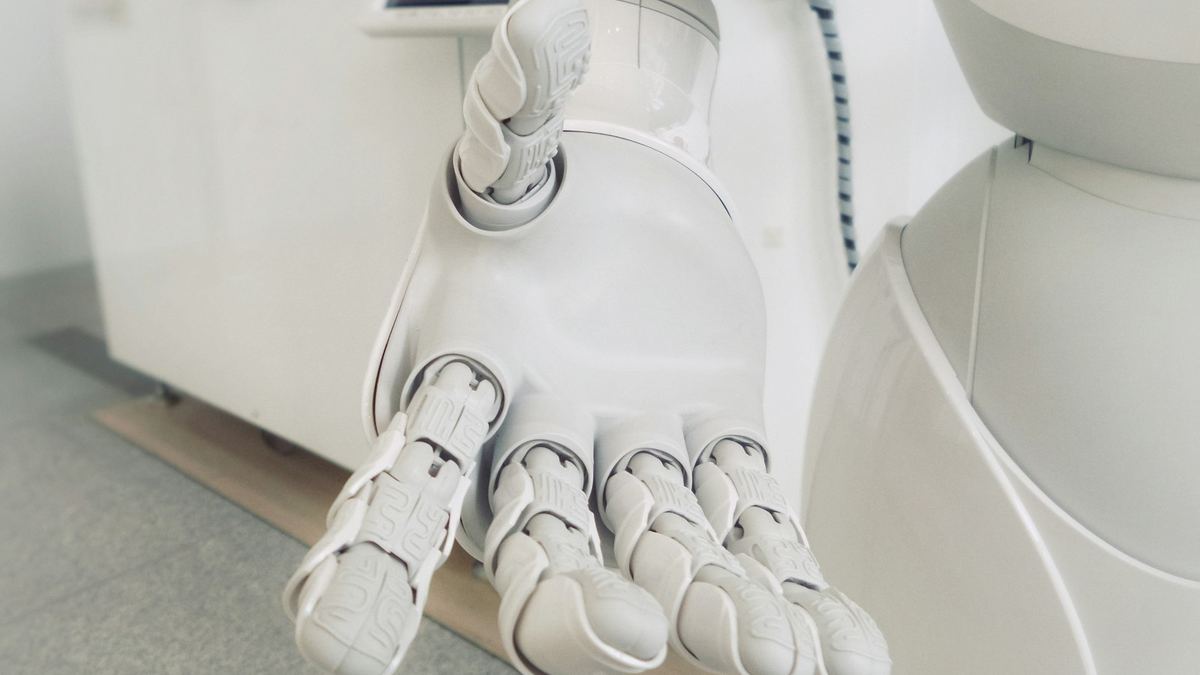
Talking about a "skills gap" in manufacturing is easy. Defining exactly which skills is harder — and that's what makes the ARM Institute's expansion of RoboticsCareer.org worth a look. ARM (Advanced Robotics for Manufacturing), one of the federally backed Manufacturing USA institutes, has rebuilt the platform's core framework around physical AI specifically, not robotics in general.
What the expansion actually covers
- A physical AI competency framework — built with ARM's 500+ member consortium across industry, government, and academia, defining the actual skills needed to work with physical-AI-enabled robots on a shop floor
- Training program listings — a searchable map of programs that teach those specific skills, aimed at students, transitioning workers, and teachers alike
- Job listings — the platform already auto-updates 15,000+ robotics manufacturing job postings biweekly; the expansion adds physical-AI-specific roles into that feed
- A national talent database — the only one of its kind dedicated to robotics manufacturing jobs, now growing to include people specifically qualified for physical AI work
Why the framework matters more than the tool
Job boards come and go. What's more durable here is the competency framework itself — a shared, industry-vetted definition of what "physical AI skills" actually means, built by the same consortium of manufacturers who will be doing the hiring. That's useful even for a plant that never touches RoboticsCareer.org directly, because it gives HR and plant managers a common vocabulary for job descriptions and training plans instead of everyone inventing their own definition of the role.
What it means for hiring and training plans
If physical-AI-enabled robotics are on your roadmap at all, this is a reasonable first stop for figuring out what to actually put in a job posting or a training budget — rather than guessing at title and requirements for a role category that's still new enough that most companies haven't standardized it internally yet.
Sources
Planning a robotics or automation hire?
We spec the hardware side every day — happy to talk through what a project actually requires before you write the job posting.
Talk to Our Team →